← Back to projects

Project story

E-bikes

Two custom e-bikes I built using electric conversion kits.

Build timeline

  1. E-bikes: E-bike 1: How it started
    E-bikes: E-bike 1: How it started
    E-bikes: E-bike 1: How it started
    E-bikes: E-bike 1: How it started

    E-bike 1: How it started

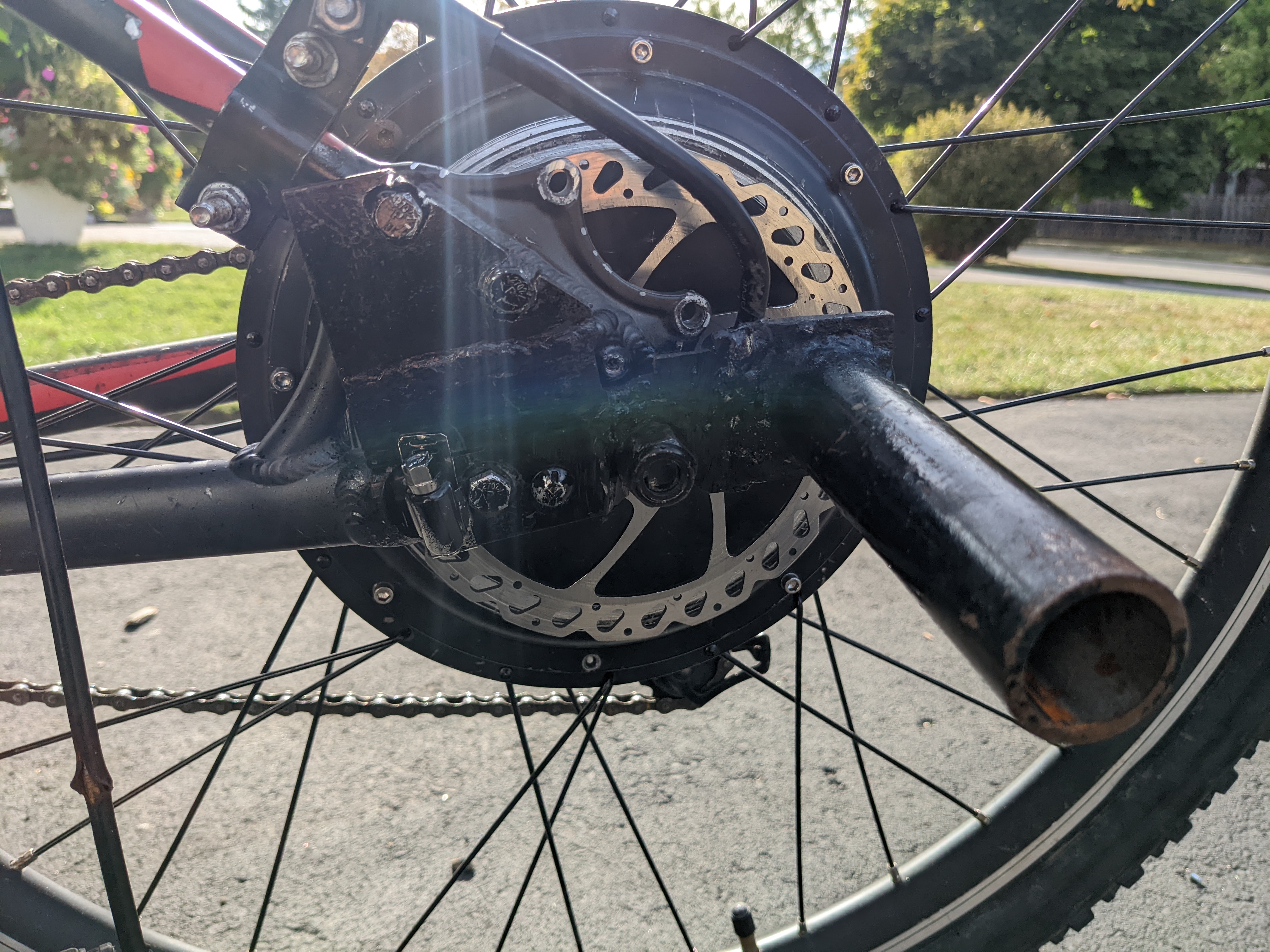
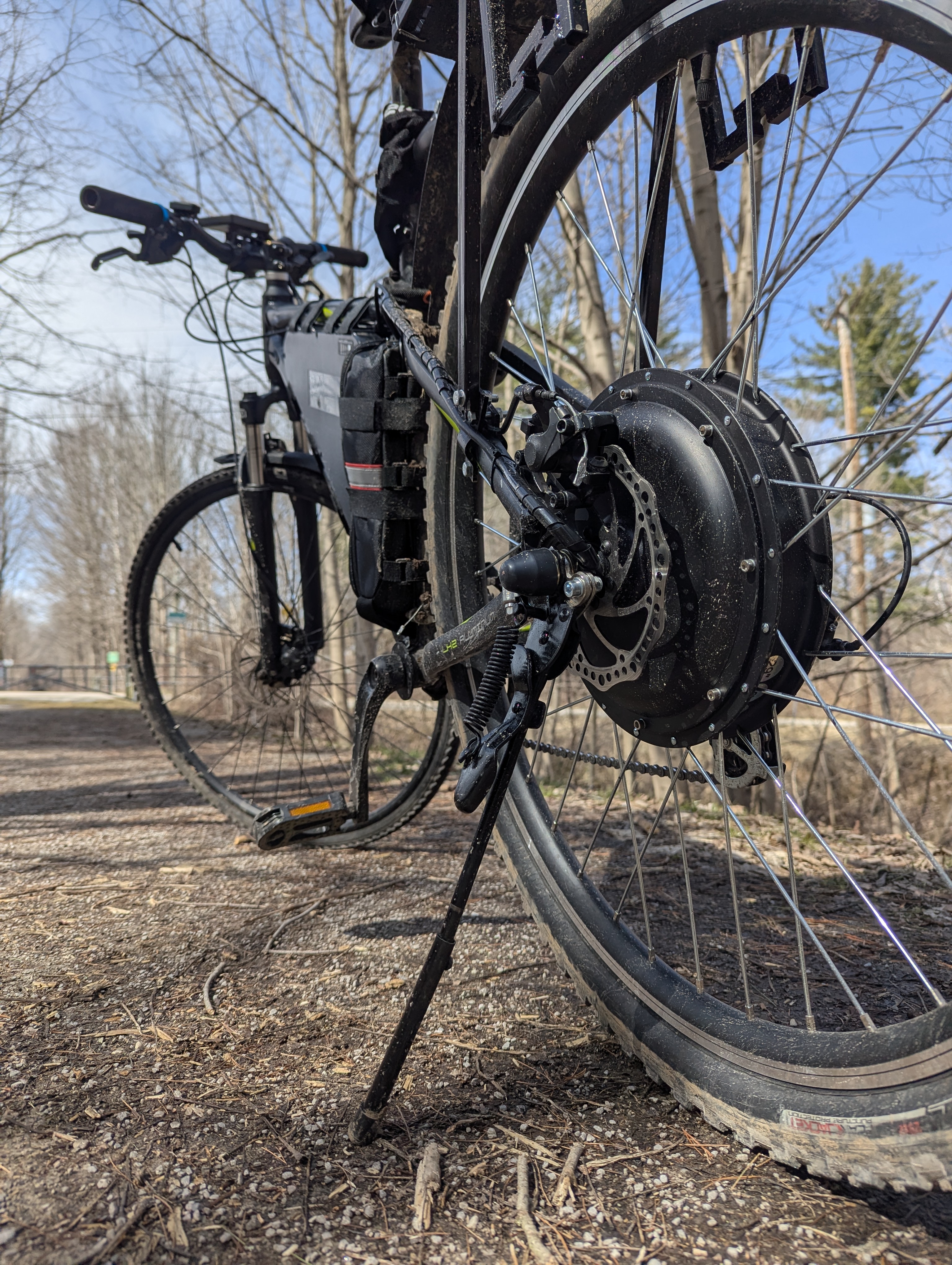
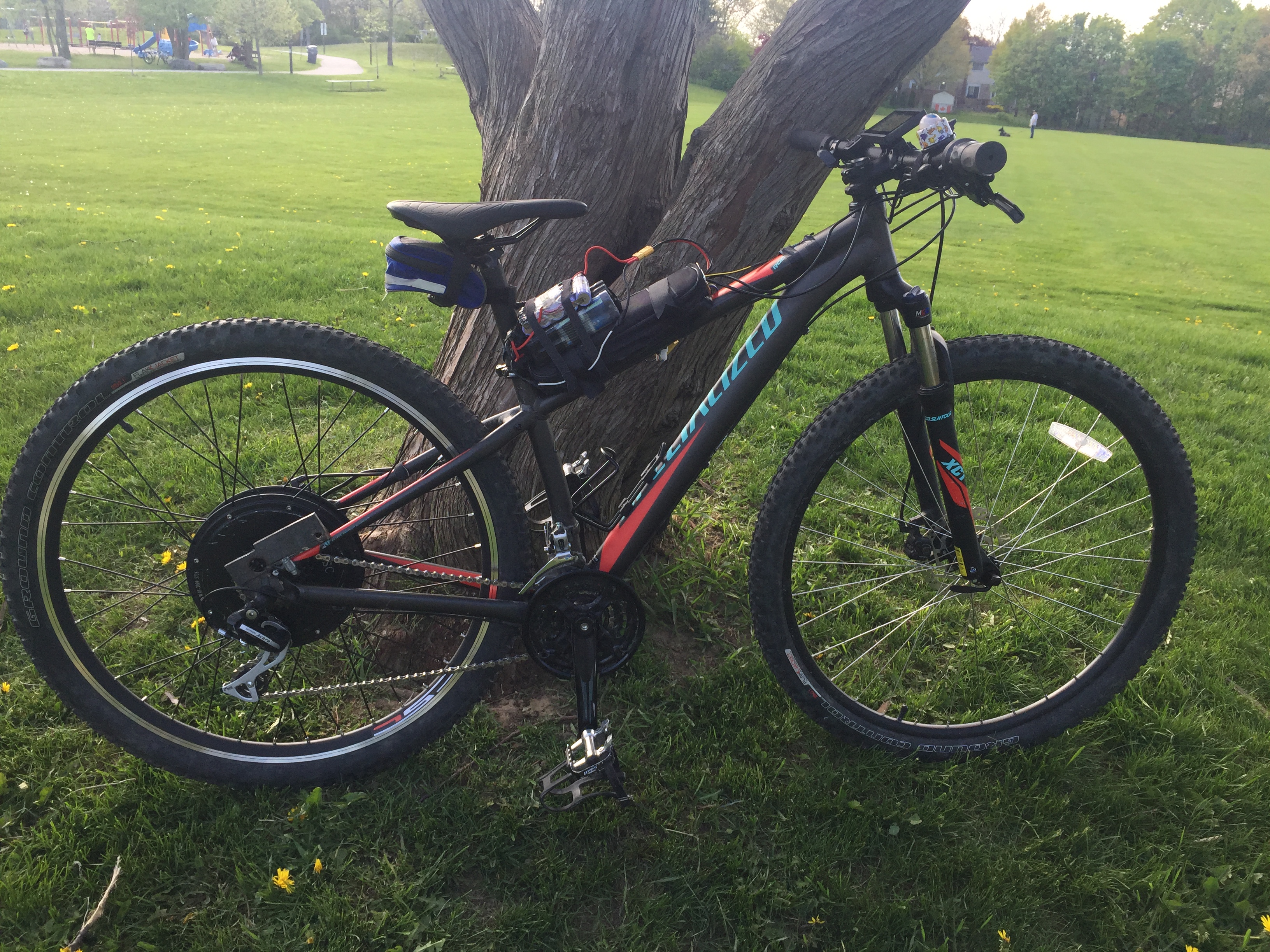
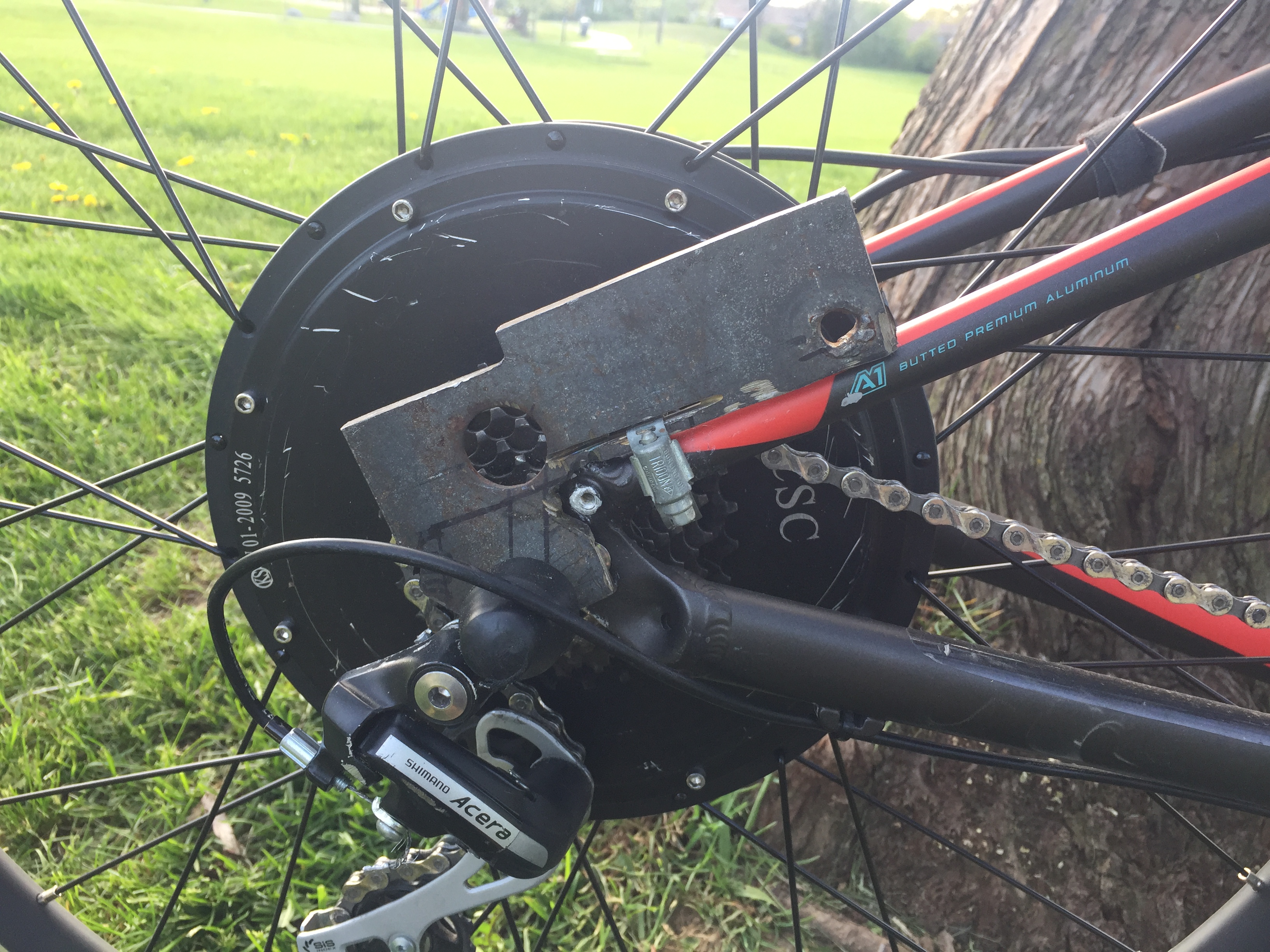
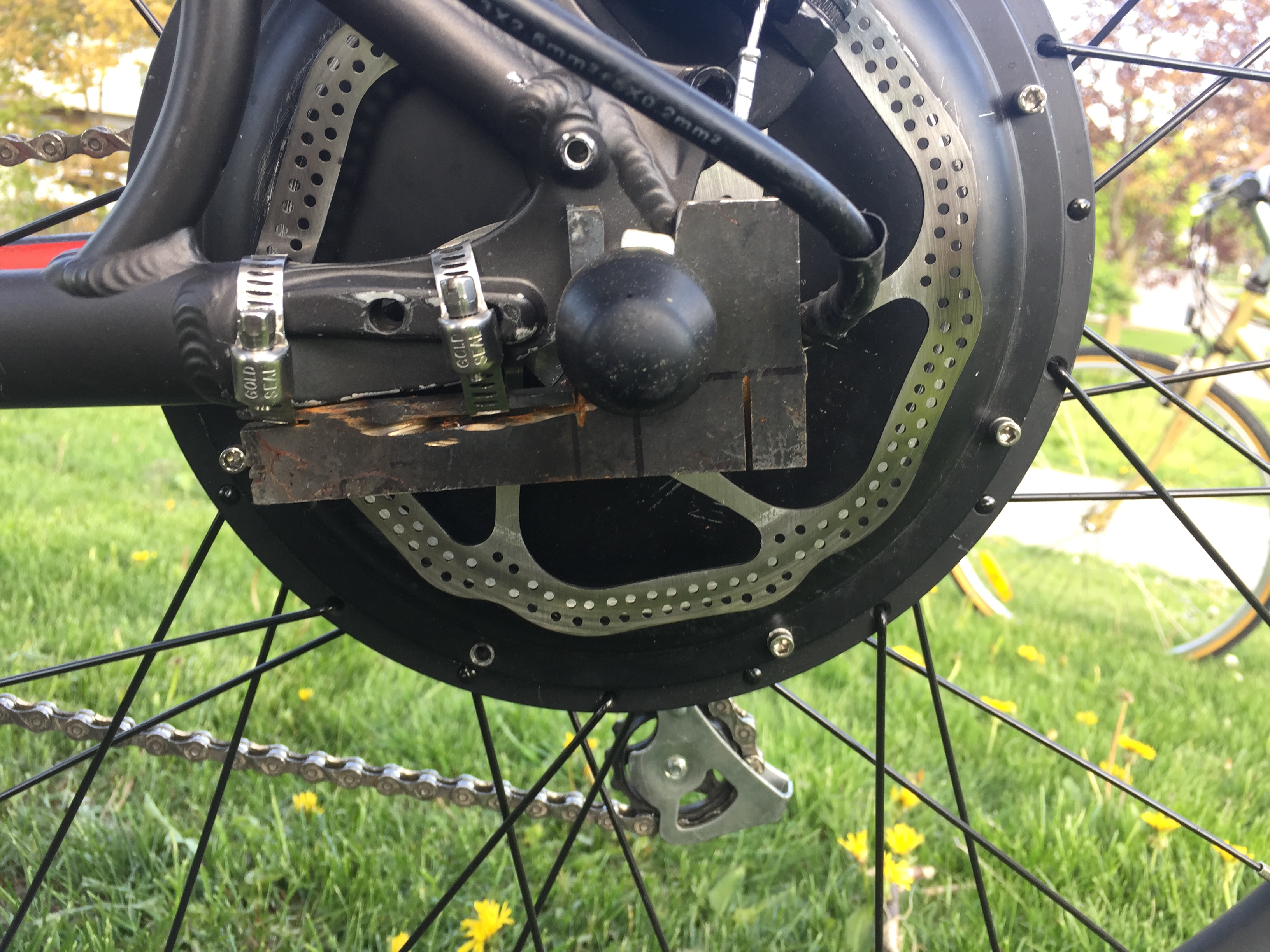
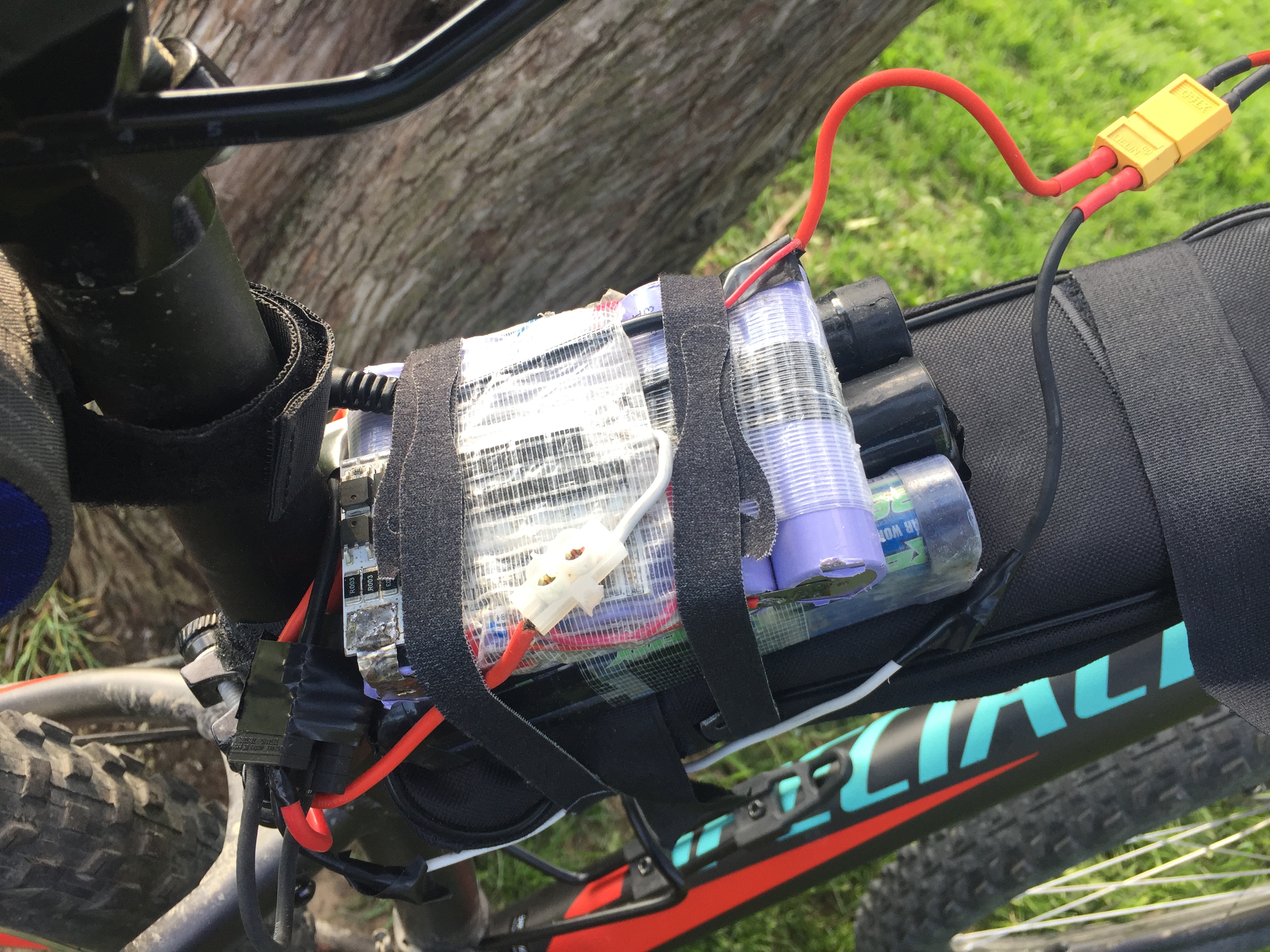
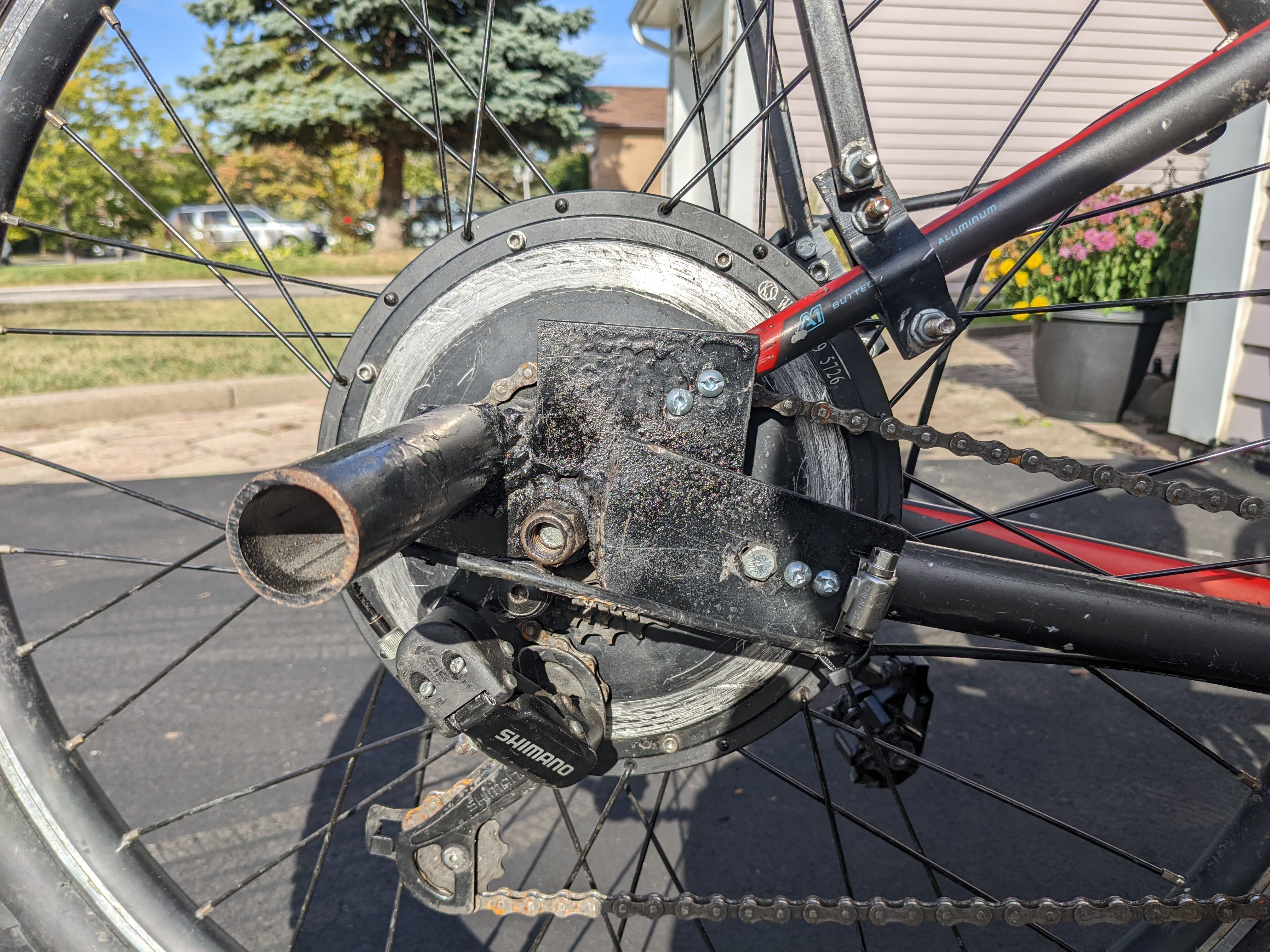
    My first e-bike was initially powered by a collection of batteries connected in series. It used three RC boat batteries in series with the battery I built for my underwater scooter. I made torque arms from 1/4-inch steel plate to prevent the motor shaft from spinning in the frame. The motor and controller came from a 1.5 kW e-bike conversion kit I purchased on AliExpress.
  2. E-bikes: E-bike 1: Battery upgrades and passenger accommodations
    E-bikes: E-bike 1: Battery upgrades and passenger accommodations
    E-bikes: E-bike 1: Battery upgrades and passenger accommodations
    E-bikes: E-bike 1: Battery upgrades and passenger accommodations

    E-bike 1: Battery upgrades and passenger accommodations

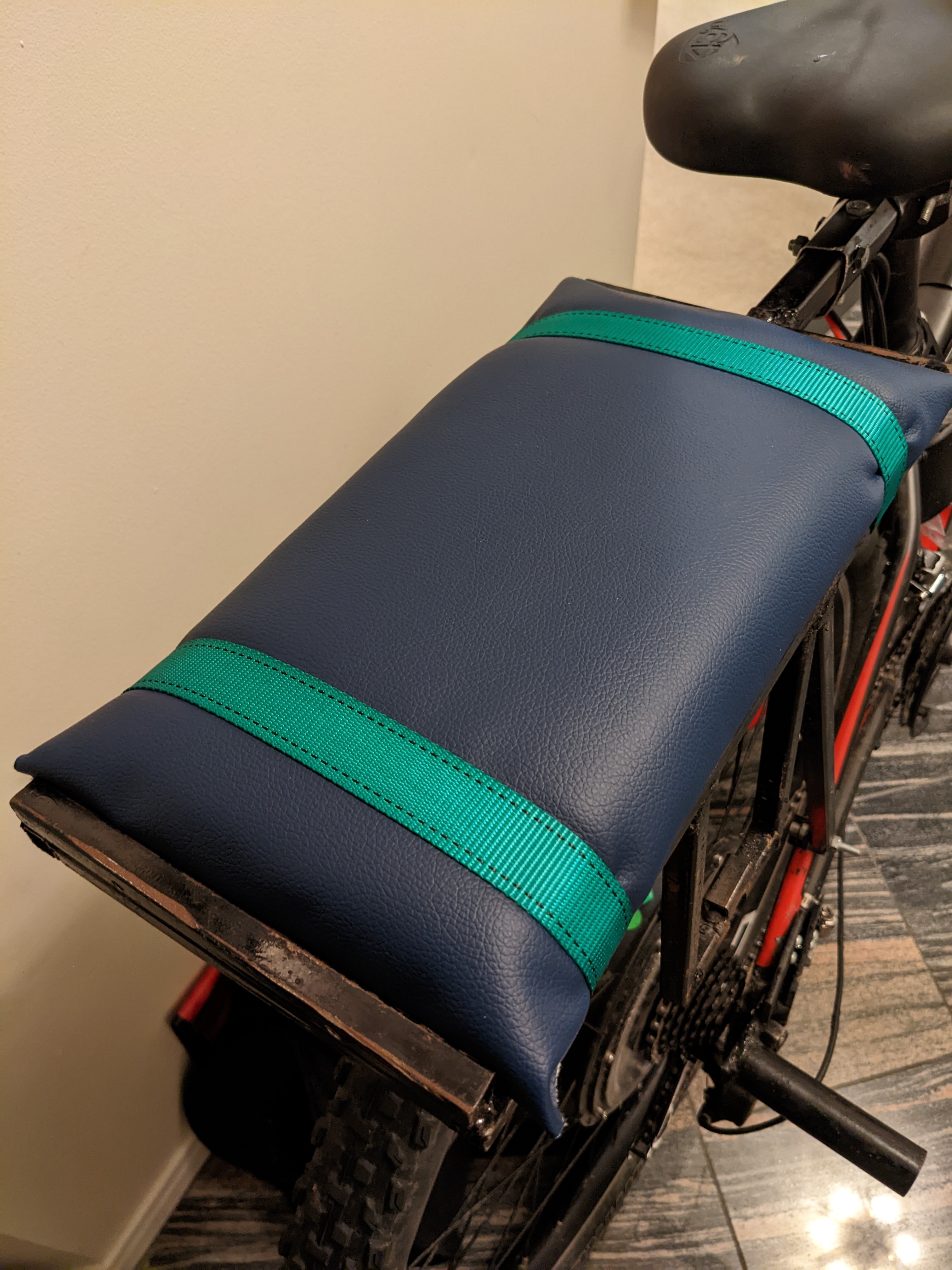
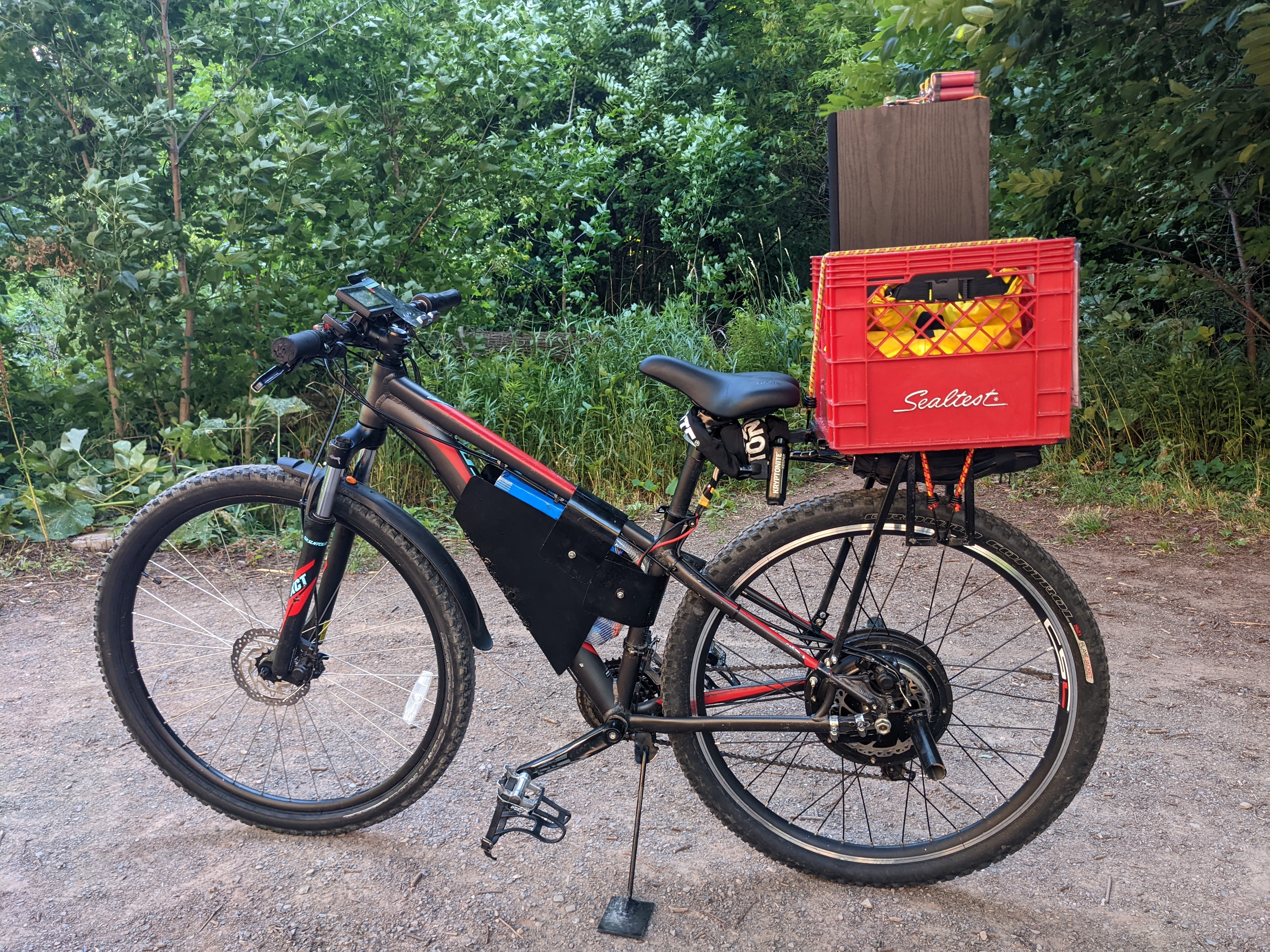
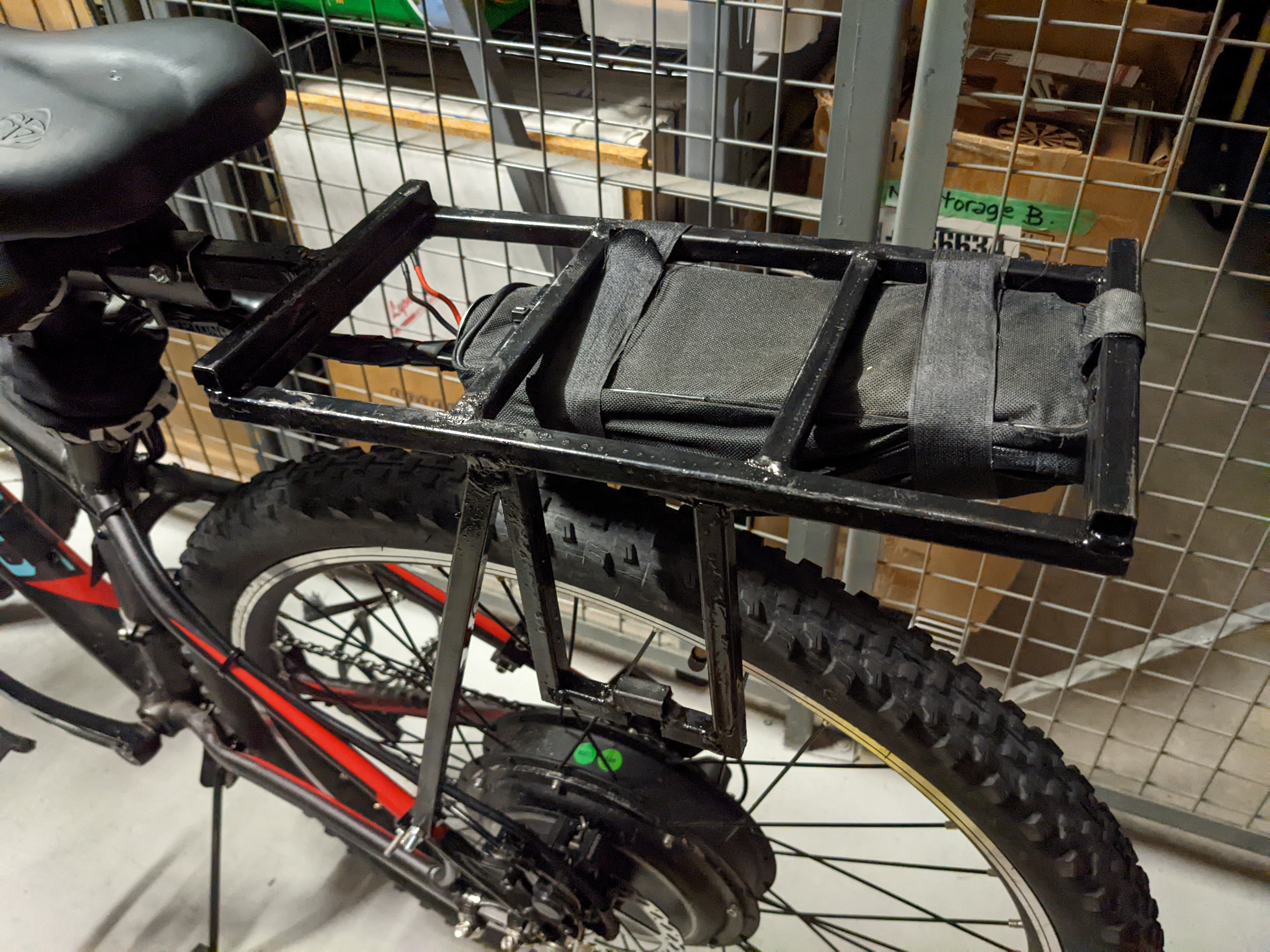
    I upgraded the battery to a 1 kWh triangular pack purchased online. It came with a plastic case, but the case was too large to fit in my frame, so I made protective covers from 18-gauge steel to hold it in place. Before electrifying the bike, I had installed a rack. I used the bike as my only mode of transportation and hauled a lot of stuff on it, which caused the rack to break. I decided to build a custom rack from 1/4-inch square steel tubing, strong enough to carry a passenger. I then welded passenger pegs to the torque arms and made a seat. With these modifications, I could travel about 80 km on a single charge at speeds up to 60 km/h.

  3. E-bikes: E-bike 1: Other extras and its end

    E-bike 1: Other extras and its end

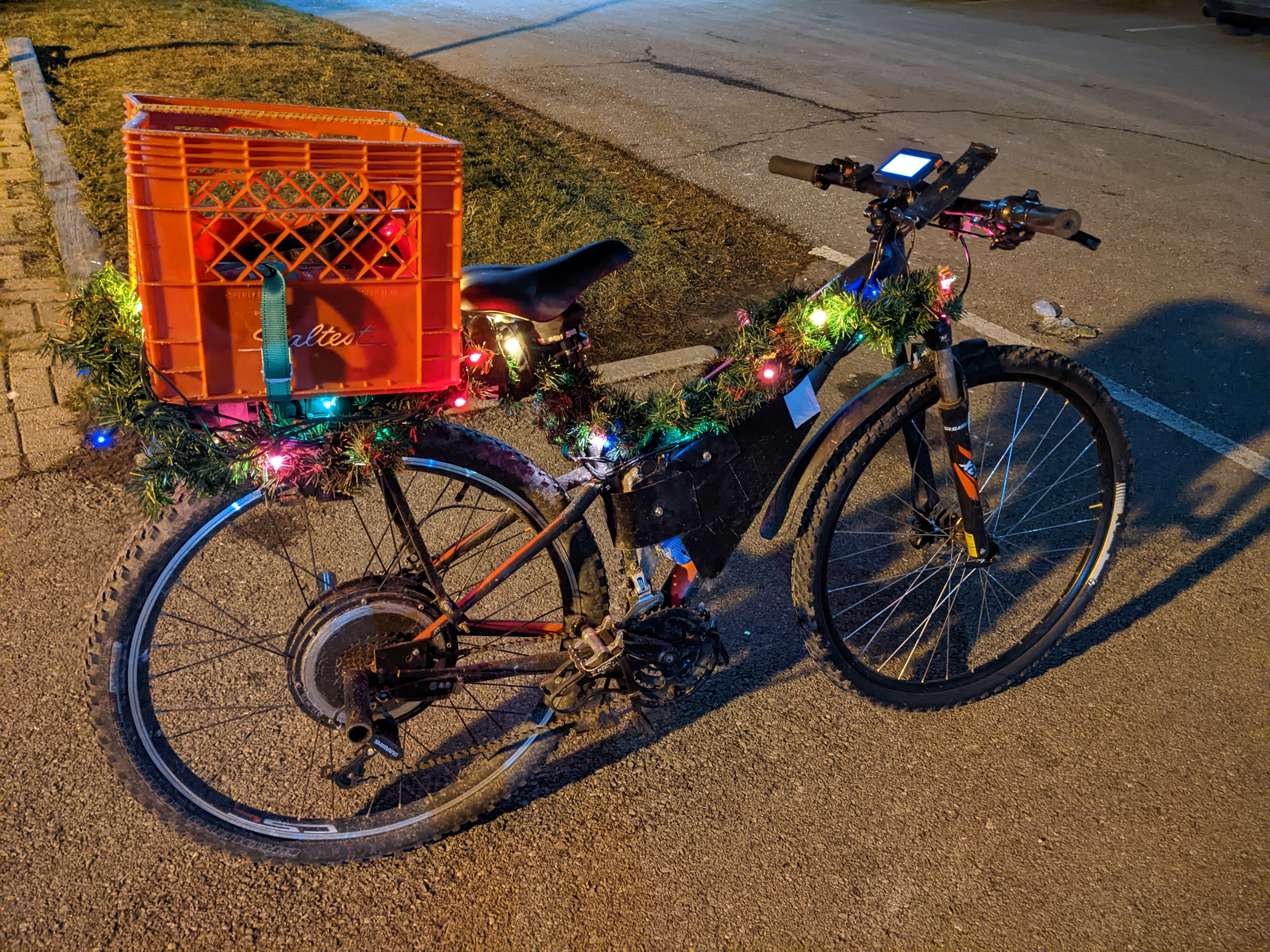
    While I owned it, I made other small modifications, including a custom LED lighting system, a sheet-steel phone holder, and a hydraulic brake conversion. After more than 1,000 km, design flaws in my torque arms allowed the motor shaft to spin in the frame. This broke the motor's phase wires and permanently damaged the frame's dropouts, ending the bike's journey because the rear wheel could no longer be mounted.

  4. E-bikes: E-bike 2: Improvements from lessons learned
    E-bikes: E-bike 2: Improvements from lessons learned
    E-bikes: E-bike 2: Improvements from lessons learned
    E-bikes: E-bike 2: Improvements from lessons learned

    E-bike 2: Improvements from lessons learned

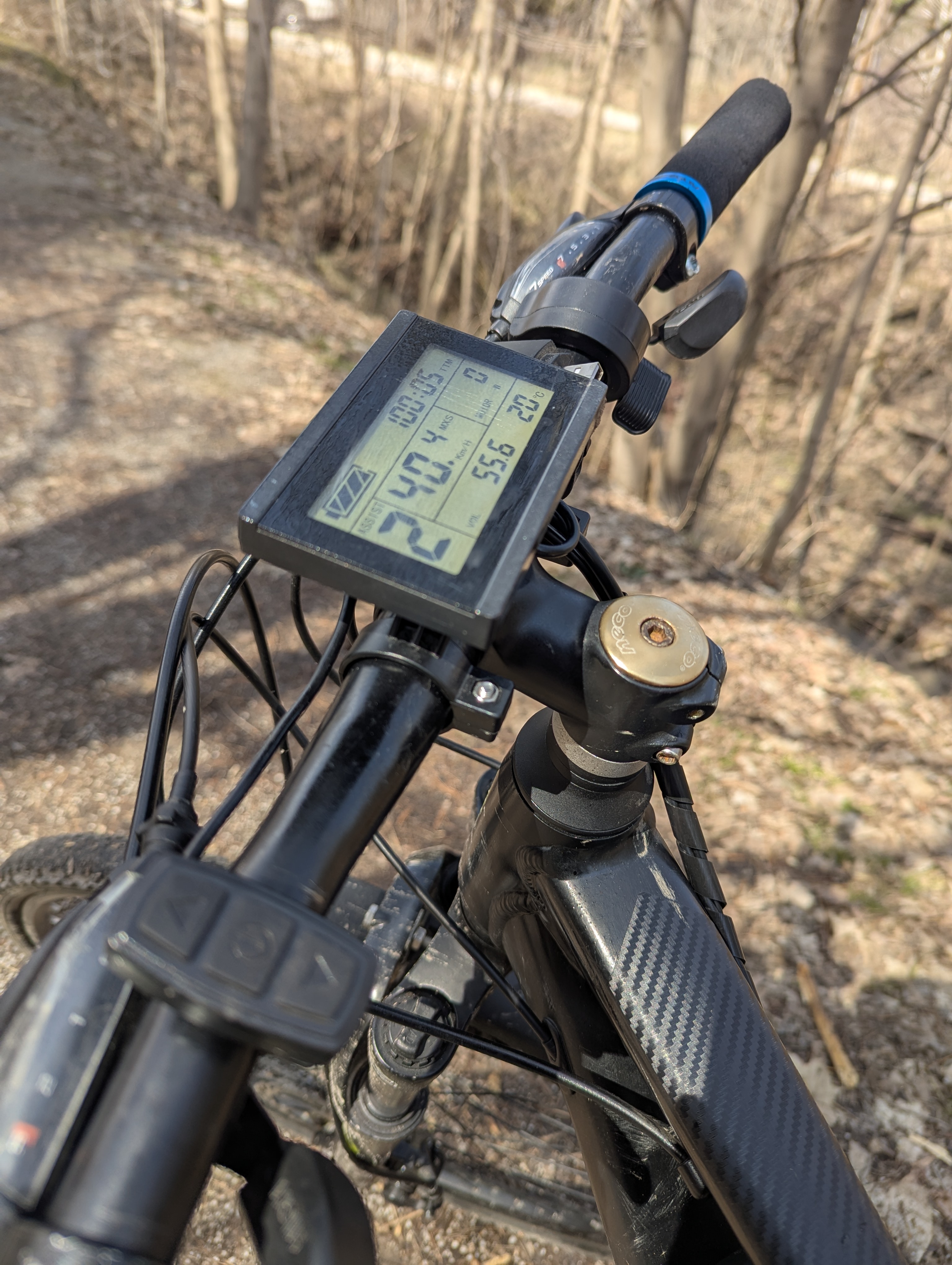
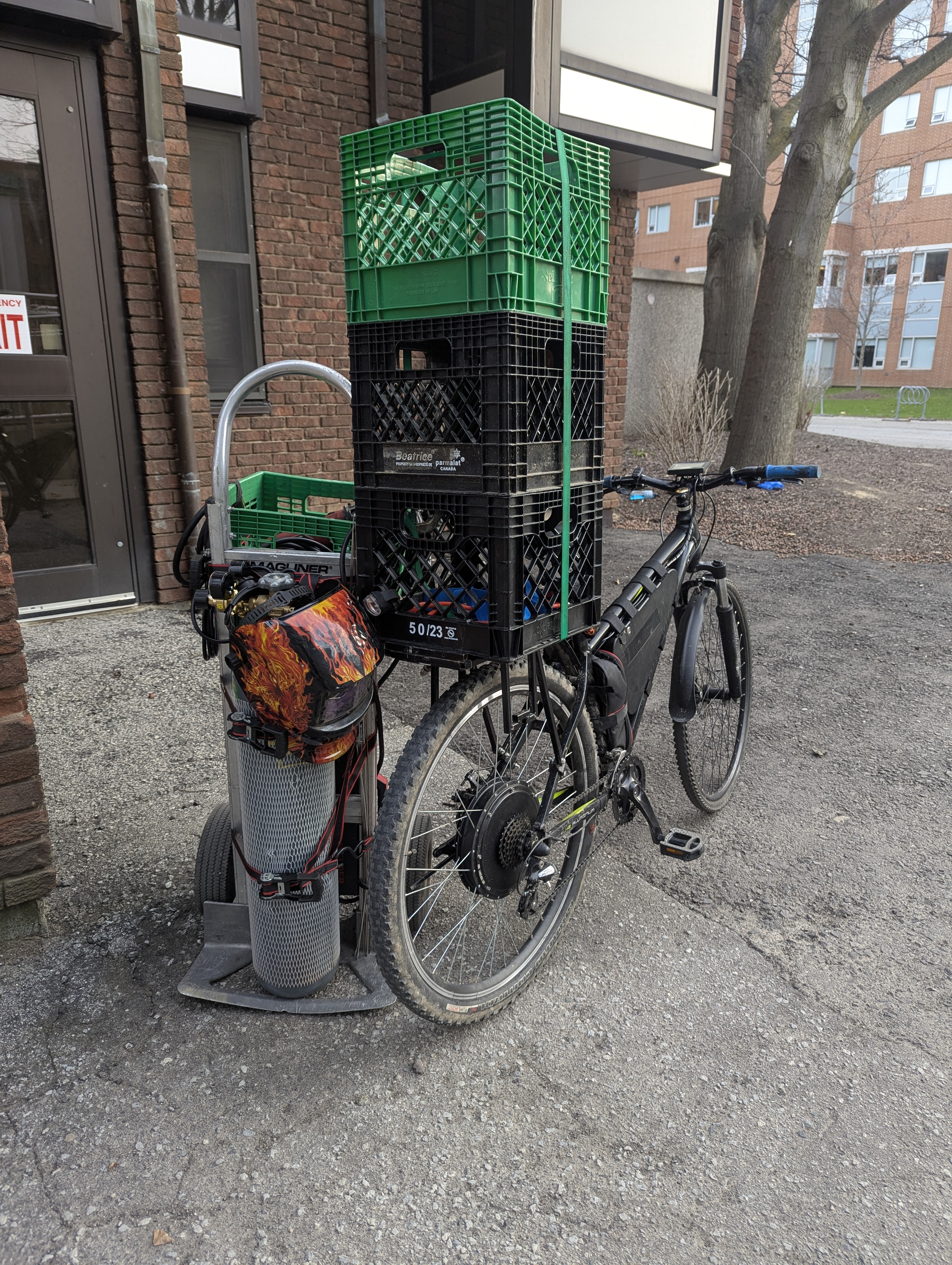
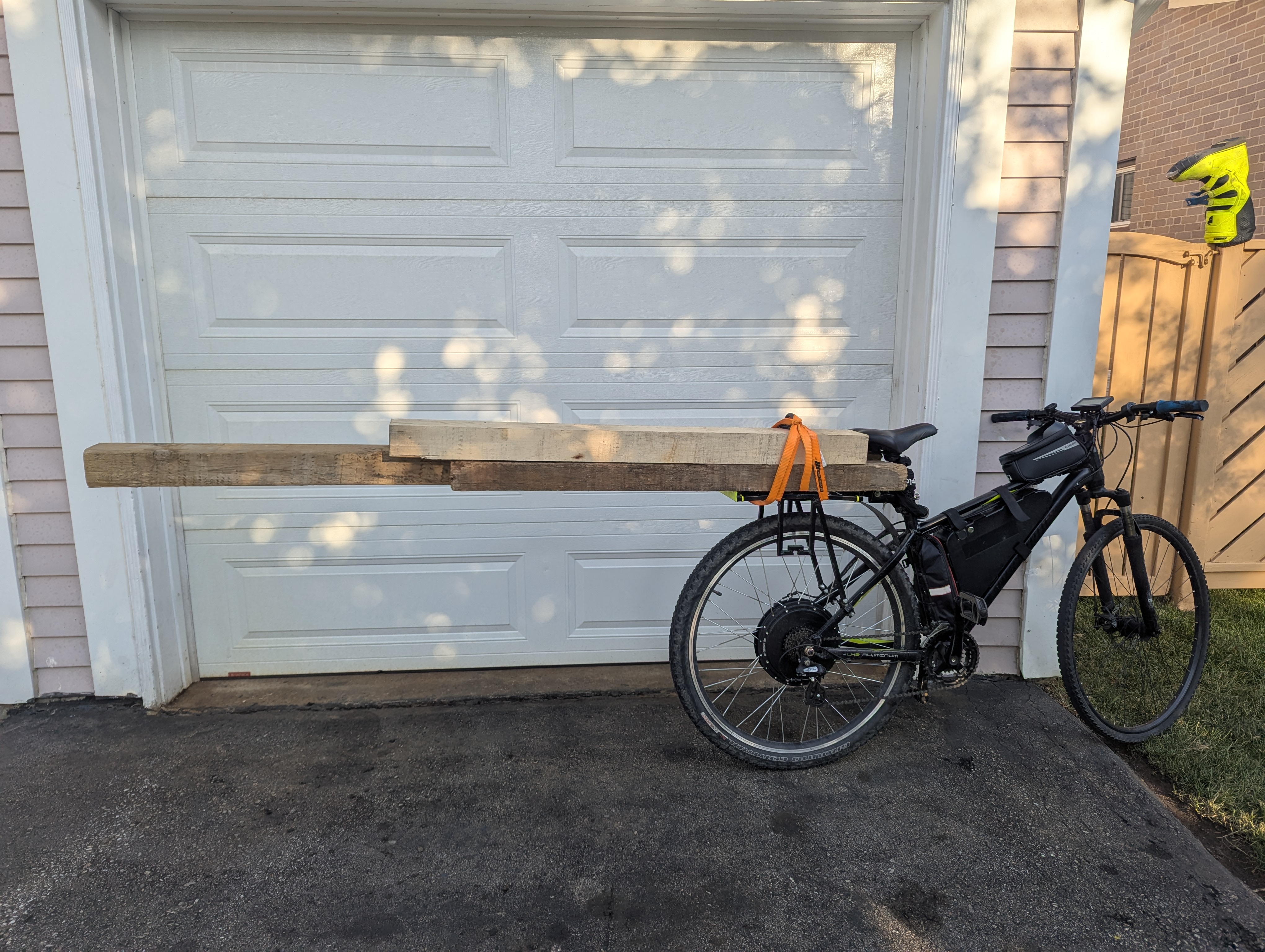
    During my first year of university, I lived on campus. With no car and an upcoming co-op term, I needed a way to get around again. I decided to build a new e-bike with two goals: maximum reliability and minimum cost. I purchased a used bike for $150 and a new 2 kW motor for $350, then reused the other components I needed from my first e-bike, including the battery, controller, and rack. This bike worked perfectly. It needed no repairs beyond typical maintenance and took me to my co-op all summer, 20 km a day, without any breakdowns.